
Nestled along the banks of the Perfume River, Hue, Vietnam is known as the former Imperial City—a timeless destination rich in culture, elegance, and history. This peaceful city was once the capital of the Nguyen Dynasty, and it continues to enchant visitors with its ancient citadels, royal tombs, and poetic atmosphere.
Unlike Vietnam’s bustling metropolises, Hue draws travelers in with its charm—a gentle rhythm of life, soft-spoken locals, and a quiet beauty that lingers in every corner. Today, while still deeply rooted in tradition, Hue City is also evolving into a vibrant and welcoming hub for tourism, offering a perfect blend of heritage and modern appeal.
Overview of Hue, Vietnam
Hue City is often described as peaceful, poetic, and rich in cultural depth — a true reflection of Vietnam’s imperial past. Located in central Vietnam, Hue is one of the country’s top three tourism hubs, renowned for its well-preserved heritage sites and profound historical significance.
As the former capital of the Nguyen Dynasty, Hue is home to the Complex of Hue Monuments, a UNESCO World Heritage Site, featuring ancient citadels, royal palaces, pagodas, and tombs scattered along the tranquil Perfume River.
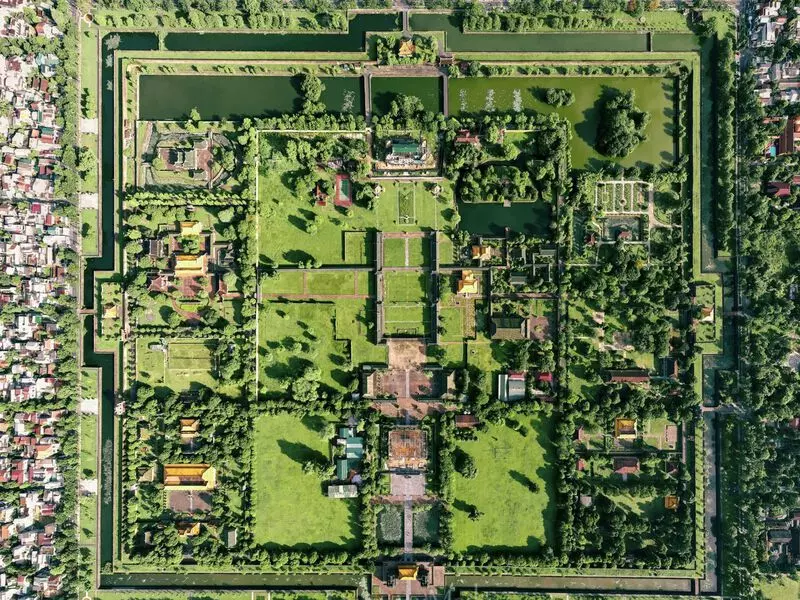
Today, Hue, Vietnam is also known as the Festival City, hosting the grand Hue Festival every two years since 2000. These vibrant cultural events showcase traditional music, art, cuisine, and international performances — all adding a modern pulse to this ancient city.
Thanks to its harmonious blend of history, natural beauty, and warm hospitality, Hue continues to rise as a must-visit destination for travelers exploring Vietnam. It is not just a stop, but a soulful experience in any journey through this beautiful country.
Natural Features of Hue City
Geographic Location of Hue
Located in the North Central Coast of Vietnam, Thua Thien Hue Province shares a border with Laos to the west and stretches to the East Sea. It is surrounded by:
- Quang Tri Province to the north
- Da Nang City to the south
- Quang Nam Province to the southwest
- The East Sea (South China Sea) to the east
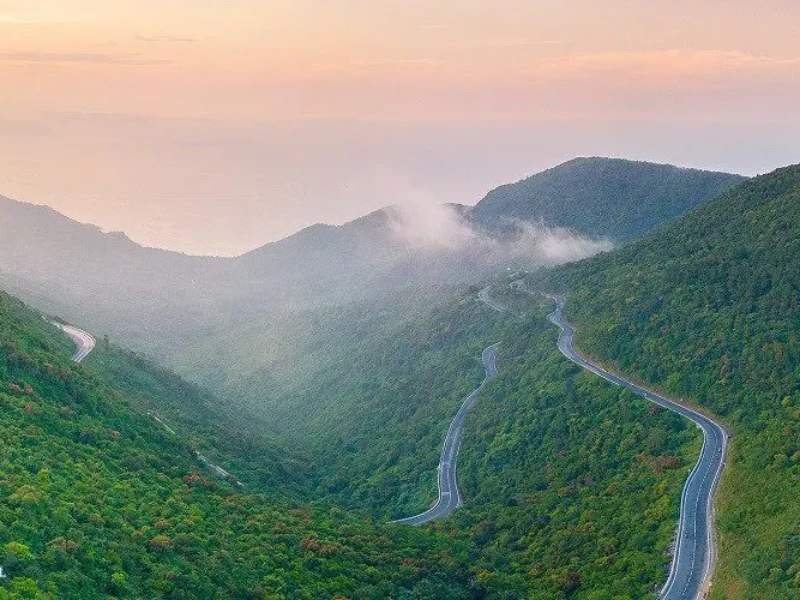
This strategic location gives Hue a unique combination of terrains, including plains, mountains, and coastal areas, making it an ideal destination for various types of tourism — from beach holidays and ecotourism to cultural and historical exploration.
Climate in Hue, Vietnam
Hue features a tropical monsoon climate, with four distinct seasons throughout the year.
- Spring is warm and blossoming,
- Summer can be hot and humid,
- Autumn is mild and romantic,
- while Winter tends to be cool and sometimes rainy.
The best time to visit Hue is from November to April, when the weather is pleasant and ideal for sightseeing. This period offers comfortable temperatures and lower rainfall, perfect for exploring Hue’s ancient sites and enjoying outdoor activities.
The People of Hue – Gentle Souls in a Poetic Land
Any introduction to Hue, Vietnam would be incomplete without mentioning the charm of its people. While Hue is well-known for its imperial heritage, ancient monuments, and serene landscapes, what truly captures the hearts of travelers is the grace and warmth of the locals.

Hue people are known for their gentle demeanor, soft-spoken voices, and a quiet elegance that reflects the city’s poetic soul. Their way of speaking—calm, melodic, and filled with subtle emotion—often leaves a lasting impression. There’s a sense of politeness, modesty, and sincerity that makes visitors feel welcome and respected.
This distinct character of Hue’s residents is more than just a personality trait—it’s a cultural identity shaped by centuries of tradition and refinement. For many travelers, this human connection becomes one of the most memorable parts of their journey to this historical city.
The Unique Charms of Hue That Attract Tourists
Anyone who has visited Hue will surely carry with them an indescribable feeling of attachment, as the city offers invaluable material and spiritual values that create a very distinctive identity.
Hue – A City of Timeless Beauty
Hue is often regarded as a destination where ancient traditions blend harmoniously with modern developments, offering a unique charm that enchants visitors from all over the world.
Warm and Hospitable People of Hue
Even after a brief encounter, visitors can’t help but be drawn to the kind-hearted and welcoming people of Hue. Their gentle and respectful “dạ” (yes) and “thưa” (please) create a warm atmosphere that’s impossible to ignore. In particular, Hue women are known for their elegance, soft-spoken words, and graceful appearance in the traditional áo dài and conical hat, symbolizing the refined beauty of Hue’s culture.
Diverse and Unique Architecture
Hue’s architectural system is a fusion of royal palaces, tombs, temples, and fortresses, reflecting a variety of styles. From imperial architecture, folk designs, religious structures, to modern influences, the blend creates masterpieces that exude timeless beauty, solemnity, and majesty.
Distinctive Cultural Arts
-
Tuong Theater: During the Nguyen Dynasty, Tuong (Vietnamese classical drama) became the national theatre and was highly regarded as an essential art form.
-
Ca Hue (Hue Folk Music): This soul-stirring music, often performed on the Perfume River, carries deep emotions and reflects the life of Hue’s people.
-
Nhã Nhạc (Hue Court Music): Recognized by UNESCO as an Intangible Cultural Heritage of Humanity in 2003, Nhã Nhạc was once performed in the royal court during sacred rituals and official ceremonies.
-
Royal Court Dance: The grandeur of Hue’s royal court dances reflects the cultural legacy of a thousand years of feudal rule, which reached its peak under the Nguyen Dynasty.
Hue’s Festivals – A Magnet for Tourists
Hue’s festivals reflect both ceremonial and festive elements. The royal festivals focus on rituals, showcasing the ceremonial traditions of the royal court, while the folk festivals celebrate local deities, ancestral worship, and lively community activities such as tug-of-war, wrestling, and boat racing.
The Hue Festival, held biennially since 2000, has become one of the most vibrant and popular cultural events in Vietnam, drawing tourists from around the globe.
Hue’s Fine Arts – A Harmonious Blend of Cultures
Hue’s fine arts are a blend of Champa and Western influences. The imperial court art of Hue draws inspiration from Vietnamese folk art, elevating it into refined and sophisticated decorative forms. Hue’s art is divided into two main categories: imperial court art (palaces, tombs, temples) and folk art (pagodas, communal houses, traditional homes).
Hue’s Cuisine – Delicately Prepared with Care
Hue’s cuisine is known for its meticulous preparation and focus on quality rather than quantity. The city preserves over 1,000 distinct traditional dishes, including iconic foods such as bún bò Huế (Hue beef noodle soup), cơm hến (clam rice), and various kinds of bánh (cakes) and chè (desserts). Each dish is made with care and beautifully presented, reflecting the city’s culinary sophistication.
A Green, Clean, and Beautiful City
When visiting Hue, tourists will notice the local residents actively participating in environmental protection campaigns, such as street cleaning, picking up trash along the Perfume River, and promoting cycling as an eco-friendly mode of transportation. These small efforts contribute to making Hue a city that is not only historically and culturally rich but also green, clean, and beautiful in the eyes of visitors.
Discover the Rich and Unique Flavors of Hue Cuisine
Hue is a land of romance and nostalgia, with a culinary culture that leaves a lasting impression on all who visit. Known for its sophisticated and rich flavors, Hue’s cuisine is deeply influenced by the royal palace and the elegant, reserved nature of its people. If you’re planning a trip to this beautiful city, here are 4 must-try dishes that showcase the essence of Hue’s food culture:
Rice Dumplings
One of the most iconic dishes of Hue, Rice Dumplings is a type of rice dumpling typically filled with savory or sweet fillings. While the dish is enjoyed in other regions, Hue’s version stands out with its delicate texture and rich flavors, making it a favorite among locals and tourists alike. If you’re wondering what to eat in Hue, a plate of Rice Dumplings will surely satisfy your hunger and introduce you to the unique tastes of this historical city.
Hue Beef Noodle Soup
No visit to Hue is complete without trying Hue Beef Noodle Soup – the soul of Hue’s culinary scene. This hearty noodle soup is made from a rich broth simmered from beef bones, creating a delicate yet flavorful base. Each bowl of Hue Beef Noodle Soup features tender slices of beef, pork leg, and a blend of fresh herbs and lime. Served with fresh vegetables and spices, this dish is a true Vietnamese culinary experience that will leave a lasting impression.

Rice with Mussels
Though Rice with Mussels is found in many regions, Hue’s version is unbeatable. Served with steamed rice, stir-fried mussels, crispy fried pork skin, and fresh herbs, this dish perfectly balances flavors and textures. With the addition of mắm ruốc (fermented shrimp paste), Rice with Mussels is a dish that captures the essence of Hue’s culinary culture – simple yet complex, hearty yet delicate.
Sesame Candy
A perfect souvenir or a sweet treat, Sesame Candy is a type of chewy sesame candy that has become a symbol of Hue’s unique flavor. With a fragrance of roasted sesame and a rich taste of peanut, this candy is beloved by both locals and visitors. It’s a delightful snack that will remind you of Hue’s charm long after your visit.
Famous Tourist Attractions in Hue You Can’t Miss
Exploring the culture and history of Hue, there are several must-visit landmarks that should be on every traveler’s list.
Imperial City of Hue – A World Heritage Site
The Imperial City of Hue, also known as the Citadel, is a symbol of the history and culture of the Nguyen Dynasty. Recognized by UNESCO as a World Heritage Site, it houses over 100 prominent architectural works such as the Ngo Mon Gate, the Thai Hoa Palace, and the Dien Tho Palace. The structures here are meticulously designed, following principles like “left is for men, right is for women,” and “left is for civil, right is for military.”

Given its vast size, it’s best to explore the Imperial City starting early in the morning, around 7 AM, and bring a hat for protection from the sun.
Dong Khanh Tomb – A Blend of Eastern and Western Architecture
Dong Khanh Tomb is located within the complex of Hue’s ancient citadel. This tomb combines traditional Vietnamese architecture with Western influences. It is dedicated to King Dong Khanh, the ninth emperor of the Nguyen Dynasty, and is an excellent example of architectural fusion.
Gia Long Tomb – Resting Place of the First Nguyen Emperor
Gia Long Tomb, or Thien Tho Tomb, is situated in the Thiên Thọ mountain range in the Huong Tho commune. This is the final resting place of Emperor Gia Long, the founder of the Nguyen Dynasty. The tomb is said to be located in the most beautiful and harmonious feng shui position among the royal tombs.
Khai Dinh Tomb – A Unique Architectural Blend of East and West
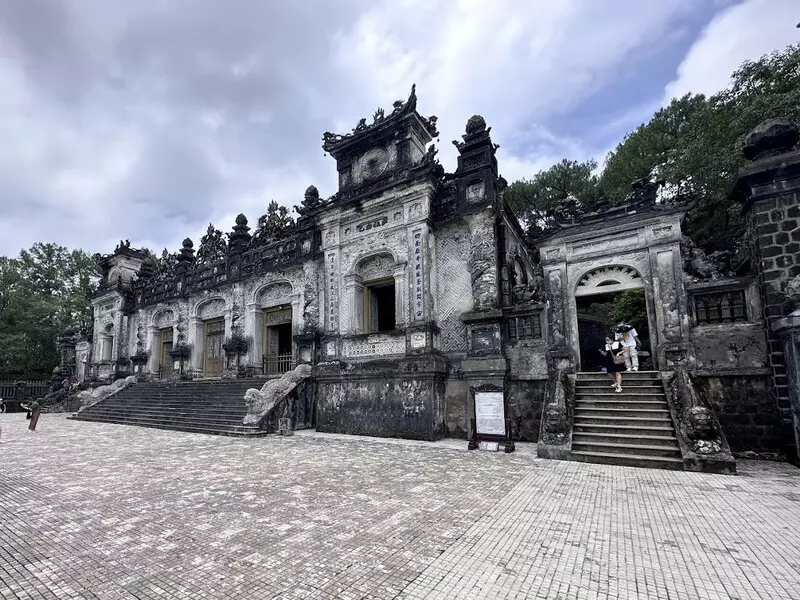
Khai Dinh Tomb, located on the Chau Chu mountain, is the smallest of all the Nguyen royal tombs but is also the most costly and labor-intensive to build. The tomb is known for its fusion of Eastern and Western architectural styles, reflecting the extravagant tastes of Emperor Khai Dinh.
Tu Duc Tomb – Elegant and Scenic
Tu Duc Tomb, or Khiem Cung, was built between 1864 and 1867 in a narrow valley in Thuy Xuan village. It is one of the most beautiful royal tombs of the Nguyen Dynasty, with nearly 50 structures named after the word “Khiem” (modesty). The tomb complex offers a peaceful and picturesque setting, perfect for exploring and photography.

Duc Duc Tomb – Simple and Humble Architecture
Duc Duc Tomb, also known as An Lang, is located in An Cuu. This tomb, which houses the remains of King Duc Duc, King Thanh Thai, and King Duy Tan, stands out for its simple and modest architecture. Its tranquil surroundings add to the serene atmosphere, offering visitors a glimpse into the more understated side of Nguyen Dynasty tombs.
Minh Mang Tomb – Scenic and Majestic
Minh Mang Tomb, also known as Hieu Lang, features a grand main gate, Đại Hong Mon, which is only opened once during the king’s funeral procession. Inside the tomb complex, visitors can admire the beautiful architecture and serene lakes, especially during the summer when lotus flowers bloom, filling the air with fragrance.

An Dinh Palace – A European-Style Royal Residence
An Dinh Palace, with its European castle-like architecture, is adorned with traditional Hue imperial motifs. Often referred to as the “summer palace” of the Nguyen Dynasty, it is recognized by UNESCO as a World Heritage Site and represents the Neoclassical style of architecture in early 20th-century Vietnam.
Hue National School – Historical and Architectural Beauty
Founded during the reign of King Thanh Thai in 1896, Hue National School is the first high school in Hue. The school, located at 12 Le Loi, features a vibrant red façade and is surrounded by lush greenery. It’s an ideal spot to learn about the educational history of Hue while enjoying its peaceful atmosphere.
Dong Ba Market – A Bustling Shopping Experience
Dong Ba Market, established in 1899, is a vibrant and bustling market offering a wide range of products, from delicious local foods to clothes, textiles, and unique Hue specialties. It is an excellent place to shop for souvenirs and sample the local delicacies. The market opens early and stays busy throughout the day, with a peak in food stalls after 4 PM.

Perfume River – Serene and Picturesque
The Perfume River flows gracefully through the city, passing by the ancient Thien Mu Pagoda. Taking a boat ride on the river while listening to traditional Hue music is a must-do experience. Visitors can enjoy stunning views of the Trường Tiền Bridge and the river’s calm waters at sunset, which creates a magical atmosphere.
Truong Tien Bridge – Hue’s Iconic Landmark
Truong Tien Bridge is one of Hue’s most iconic landmarks. While it may appear tranquil during the day, it truly comes to life at night when the bridge lights up with vibrant colors, creating a picturesque scene. It’s a perfect place to take a leisurely stroll and capture the essence of Hue.
Vong Canh Hill – Scenic Views Overlooking the Perfume River
At a height of 43 meters, Vong Canh Hill offers a panoramic view of the Perfume River, making it a perfect spot for watching the sunset. Visitors can enjoy the breathtaking sight of dragon boats drifting along the river while surrounded by the tranquil beauty of the landscape.
Hai Van Pass – Historical Military Outpost
Hai Van Pass, built in 1826, is a historical military outpost situated on the Hai Van Mountain Pass. At an altitude of 496 meters above sea level, the pass offers breathtaking views of the surrounding mountains and coastline, making it an ideal spot for nature lovers and history enthusiasts.

Bach Ma National Park – A Haven for Nature Lovers
Bach Ma National Park is an excellent destination for trekking and nature exploration. With its diverse flora and fauna, the park offers stunning views from the summit, which stands at 1,450 meters above sea level. The park is perfect for adventure seekers looking to immerse themselves in the natural beauty of central Vietnam
Conclusion
We hope that this introduction to Hue has evoked some of the enchanting emotions that make this city so dreamlike. Hue is incredibly beautiful, poetic, and rich in thousands of years of cultural and historical heritage. It is truly a fantastic destination for travelers and anyone seeking to find peace and tranquility deep within their soul.
And don’t forget to use the private car service in Hue from ExplorePrivateCar.com for the easiest and most comfortable Hue sightseeing experience!
