
Once the imperial capital of Vietnam, Hue is home to numerous grand palaces that echo the legacy of the Nguyen Dynasty. Among them, An Dinh Palace stands out as a hidden gem—less crowded than the Citadel but equally captivating. Once the residence of two former emperors, this elegant palace blends traditional Vietnamese design with European flair, offering visitors a unique glimpse into the royal lifestyle of the past. Let’s explore the timeless charm of An Dinh Palace and uncover its fascinating history.
Essential Information About An Dinh Palace
An Dinh Palace has stood for over a century, yet it still impresses visitors with its unique architecture and rich historical significance. Today, it remains one of Hue’s most popular tourist attractions.
What is An Dinh Palace?
An Dinh Palace is a masterpiece of Nguyen Dynasty architecture. More than just a palace, it is a grand and opulent mansion that reflects the luxury of Vietnam’s last imperial era.
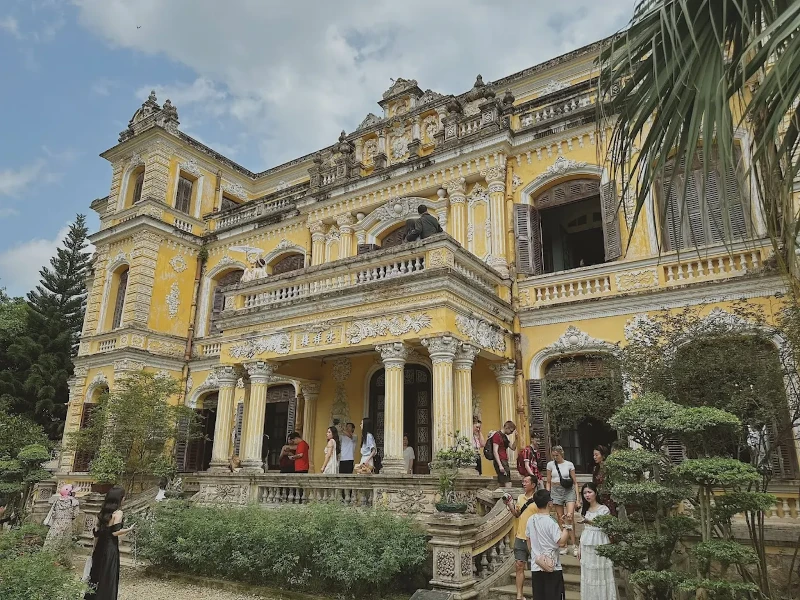
Originally built as the private residence for Emperor Khai Dinh when he was a crown prince, the palace later became the main home for Emperor Bao Dai, the last emperor of the Nguyen Dynasty, along with his queen and children until his abdication.
Where is An Dinh Palace located?
Given its importance to the royal family, the palace was built in a prime location on the banks of the An Cuu River, facing south.
Its exact address is 179 Phan Dinh Phung Street, Phu Nhuan Ward, Hue City. Although part of the imperial complex, the palace lies about 2.8 km outside the main citadel area.
When was An Dinh Palace built?
Construction began in 1917, making the palace over 100 years old today. It not only preserves relics and artifacts from the two Nguyen emperors who once lived here but also showcases a grand and magnificent architectural style.
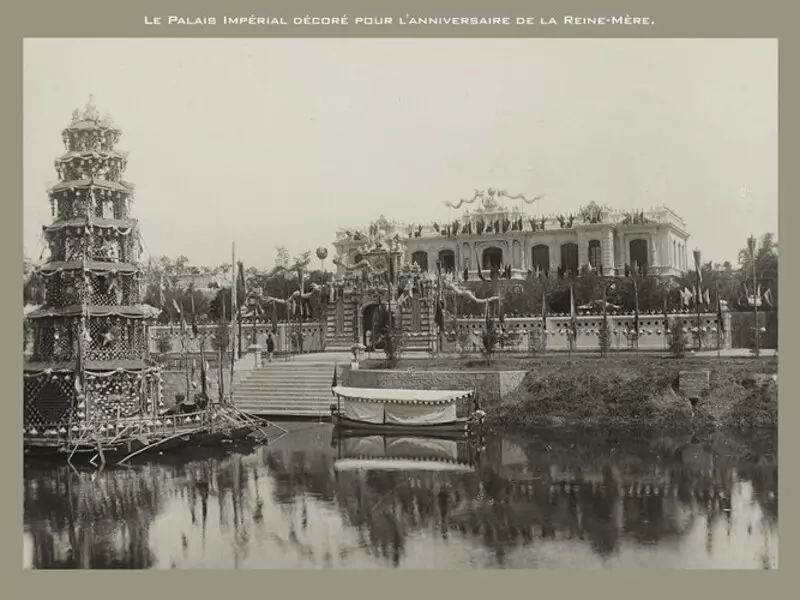
An Dinh Palace is officially recognized as a national heritage site by the Vietnamese government and is also part of the UNESCO World Heritage cultural sites in Hue.
Opening Hours and Entrance Fee of An Dinh Palace Hue
Hue, once ruled by 13 Nguyen emperors, is filled with splendid palaces—and An Dinh Palace is one of its most impressive. Before planning your visit, it’s helpful to know the opening hours and entrance fee so you can make the most of your time in the ancient capital.
An Dinh Palace Opening Hours
An Dinh Palace is open to visitors every day of the week, including public holidays and Tet (Vietnamese New Year). Whether you visit Hue in summer or winter, the palace welcomes you during the following hours:
- Summer (April to September): 6:00 AM – 5:30 PM
- Winter (October to March): 7:00 AM – 5:00 PM
Make sure to plan your itinerary accordingly to enjoy a relaxed visit, especially if you’re combining An Dinh Palace with other attractions in Hue.
An Dinh Palace Entrance Fee
An Dinh Palace is part of Hue’s complex of heritage sites, and a small entrance fee is required:
- Adults: 50,000 VND per person
- Children: Free of charge
You can purchase tickets directly at the entrance, at the Center for Conservation of Hue Monuments (23 Tong Duy Tan Street), or conveniently book them online.
How to Get to An Dinh Palace in Hue
An Dinh Palace is not only a grand architectural gem but also conveniently located just a few kilometers from Hue’s city center. That’s why it’s one of the must-see attractions for most visitors to the former imperial capital.
Transportation Options
Once you arrive in Hue, there are several easy and affordable ways to get to An Dinh Palace:
- Taxi: Taxis are widely available in Hue and ideal for families or small groups. They offer comfort, air-conditioning, and quick service. The fare usually ranges from 13,000–15,000 VND per kilometer.
- Private Car: For a more personalized experience—especially if you’re traveling with seniors, children, or as an international visitor—booking a private car in Hue is a great option. It ensures a comfortable, safe, and flexible journey to An Dinh Palace and other attractions around Hue.
- Motorbike: Renting a motorbike is popular among independent travelers. It gives you the freedom to explore An Dinh Palace and other destinations around Hue at your own pace and budget.
- Other options: Bicycles, cyclos (three-wheeled rickshaws), and even motorbike taxis (xe ôm) are also charming and eco-friendly ways to reach the palace—especially for short distances.
Directions to An Dinh Palace
The palace is located at 179 Phan Dinh Phung Street, Phu Nhuan Ward, Hue City. From Truong Tien Bridge (a central landmark in Hue), here’s a simple route:
- Follow Hung Vuong Street heading southwest.
- At the intersection, turn into Phan Dinh Phung Street.
- Continue straight for a short distance until you see the sign for An Dinh Palace.
There’s a parking area inside the palace grounds, or you can leave your vehicle at nearby parking lots.
Best Time to Visit An Dinh Palace in Hue
Although An Dinh Palace is open year-round, choosing the right time to visit can greatly enhance your experience—especially if you’re looking to capture stunning photos and explore in comfort.
Hue has a tropical monsoon climate, so it’s important to plan around the weather. Based on local travel experience, the best times to visit An Dinh Palace are in early and mid-year:
- January to March – Spring in Hue: This is one of the most pleasant times to visit. The weather is cool and mild, with light drizzles here and there. The palace grounds are lush with greenery and blooming flowers, creating perfect conditions for sightseeing and photography.
- April to August – Summer season: Although the weather can get hot and sunny, it’s usually dry, which means you won’t have to worry about rain disrupting your plans. To avoid the midday heat, it’s best to visit in the early morning or late afternoon.
- September – This is a transitional month before the rainy season begins in full. You may still catch sunny, clear days, making it another good time to visit. Just make sure to check the weather forecast in advance.
For more planning tips, don’t forget to check our full guide on the best time to visit Hue.
Architectural Features of An Dinh Palace in Hue
If you’re a fan of art, history, or unique design, a visit to An Dinh Palace in Hue is a must. Hidden behind layers of faded plaster and aged walls lies a breathtaking display of architectural brilliance—a true treasure trove of East-meets-West artistry.
Overview of Interior and Exterior Design
An Dinh Palace stands out as one of the most spacious and grand structures built during the Nguyen Dynasty. Interestingly, despite its impressive scale, it was one of the fastest constructions completed under Nguyen rule—showing both efficiency and innovation.
The palace’s overall design and decoration follow a distinctively modern yet harmonious aesthetic, setting it apart from other imperial residences. Its fusion of Eastern and Western elements, combined with both classical and contemporary styles, reflects a turning point in the history of Vietnamese royal architecture.

Every detail—from the structural layout to the ornate carvings, mural paintings, and interior motifs—embodies the cultural intersection that defined Hue’s artistic renaissance in the early 20th century. Western influence is visible, yet the palace still preserves the spirit of traditional Vietnamese royal craftsmanship.
An Dinh Palace is not just a building—it’s a living museum of transitional art and architecture, showcasing the evolution of style during Vietnam’s final imperial era.
A Harmonious Blend of East and West in An Dinh Palace’s Design
An Dinh Palace is a remarkable example of how Vietnamese imperial architecture evolved by embracing both Eastern traditions and Western innovations. Its construction materials—brick, cement, and steel—signal a shift from purely traditional methods to more modern European-inspired engineering.
European Influence on Layout and Details
From the moment you enter the palace grounds, the French-style garden layout stands out. The palace is surrounded by an elegant courtyard and greenery, similar to the classical European estates of the nobility.
Inside, the luxurious interiors are reminiscent of European aristocratic mansions, with grand staircases, ornate balconies, and meticulously designed rooms. Decorative patterns like grape leaves, daisies, and lotuses replace the traditional imperial motifs of dragons, phoenixes, or peonies.
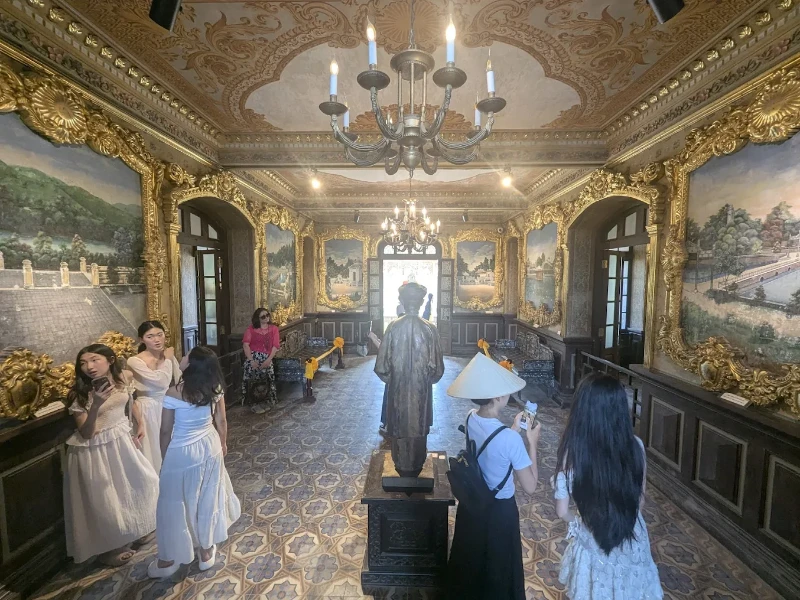
Western styles such as Gothic and Roman architecture are reflected in the palace’s arched windows, Corinthian columns, decorative medallions, and even depictions of cherubs and stars.
Preservation of Nguyen Dynasty Aesthetics
Despite its strong Western influence, An Dinh Palace remains deeply rooted in Nguyen Dynasty aesthetics. Traditional Eastern elements are still present through symbolic themes like:
- Tứ quý (Four Seasons)
- Tứ linh (Four Sacred Creatures)
- Bát bửu (Eight Precious Objects)
These motifs are intricately gilded and painted, maintaining the luxurious and sacred feel of a royal residence.
In addition, Oriental decorative arts such as embossed porcelain mosaics and sculpted reliefs made from ceramics add another layer of artistic richness.
This fusion of East and West, old and new, gives An Dinh Palace its unique charm—making it a one-of-a-kind cultural and architectural site in Hue.
Why Is An Dinh Palace in Hue So Captivating?
While Hue Imperial City often takes the spotlight, An Dinh Palace stands as an equally alluring destination, enchanting visitors with its regal elegance and fascinating stories hidden within its walls.
A Palace Tied to the Melancholy of Empress Nam Phuong
One of the most emotionally charged connections to An Dinh Palace is its association with Empress Nam Phuong—Vietnam’s last empress.
Born Nguyen Huu Thi Lan, Empress Nam Phuong was admired for both her intellect and beauty. She became the wife of Emperor Bao Dai, and the family lived in An Dinh Palace during his reign. Despite the lavish surroundings, her life was not without heartbreak. Their seemingly fairytale marriage unraveled with Bao Dai’s infidelity.
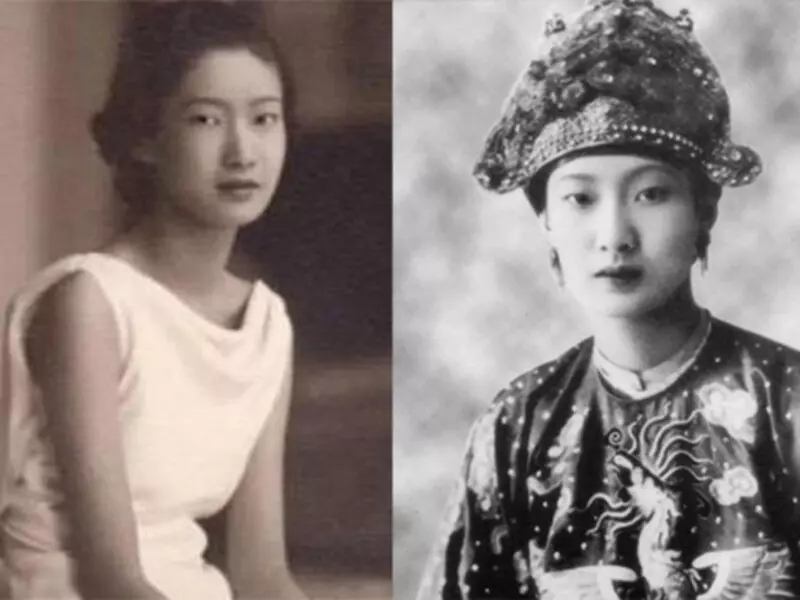
Rather than public confrontation, Nam Phuong chose dignity—living quietly at An Dinh Palace with her children and mother-in-law until 1947, before relocating to France. Her presence and the echoes of her story still linger in the palace halls, adding an emotional depth to any visit.
A Cinematic and Artistic Gem
Thanks to its luxurious interiors, An Dinh Palace has become a sought-after filming location for Vietnamese films and music videos. The palace’s grand halls, golden-framed portraits, and royal ambiance bring authenticity and visual drama to any cinematic production.
A Paradise for Photographers and Check-In Enthusiasts
An Dinh Palace is a visual treasure trove. Every corridor, archway, and mural serves as a ready-made backdrop for photos. Whether you’re a professional photographer or just love to “live your best life” on Instagram, the palace delivers.
Pro tip: To make your photos pop, wear traditional-style outfits or vibrant colors that complement the palace’s yellow-gold tones. With the right lighting and framing, you’ll capture timeless, royal-inspired shots.
Main Highlights of An Dinh Palace, Hue
Originally consisting of around 10 structures, An Dinh Palace has undergone significant changes due to time and war. Today, several key areas still remain well-preserved and are absolute must-sees for visitors.
The Main Gate
The Main Gate, also known as Cửa Cung, is one of the most impressive architectural features of An Dinh Palace. Built from mortar in the traditional tam quan (three-gate) style, the gate is structured with two levels and crowned by a large decorative gem on the roof.
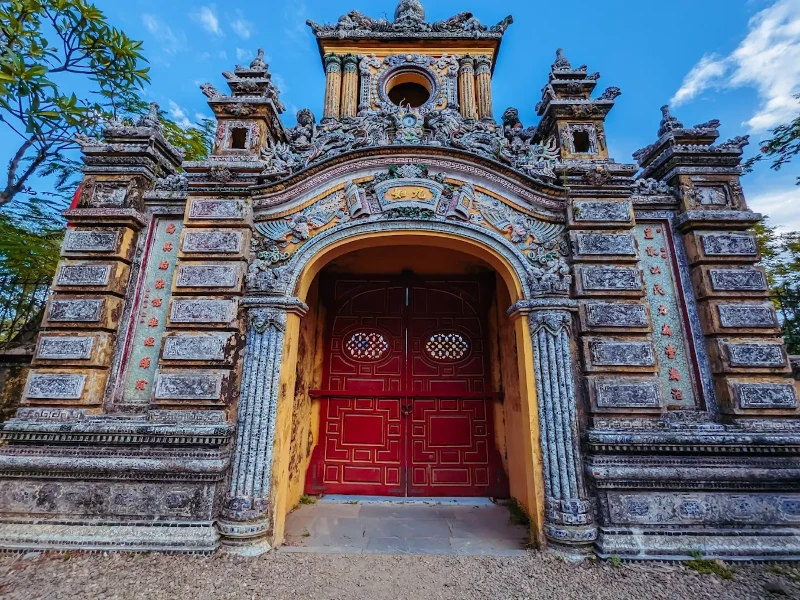
Its surfaces are richly decorated with inlaid ceramics and glass mosaics, forming colorful patterns of dragons, phoenixes, tigers, wine gourds, and more. At the center lies a large ceramic inscription of “An Định Cung”, flanked by two symmetrical calligraphy panels—also created from colored porcelain.
From the outer face to the inner arches, every inch of the gate showcases the vivid artistry of Hue’s imperial mosaic tradition, making it a striking photo spot and historical introduction to the palace.
Trung Lap Pavilion
Just behind the main gate, you’ll find Trung Lap Pavilion—a small, octagonal structure built on two elevated foundations and protected by two-tiered roofs reminiscent of ancient towers.
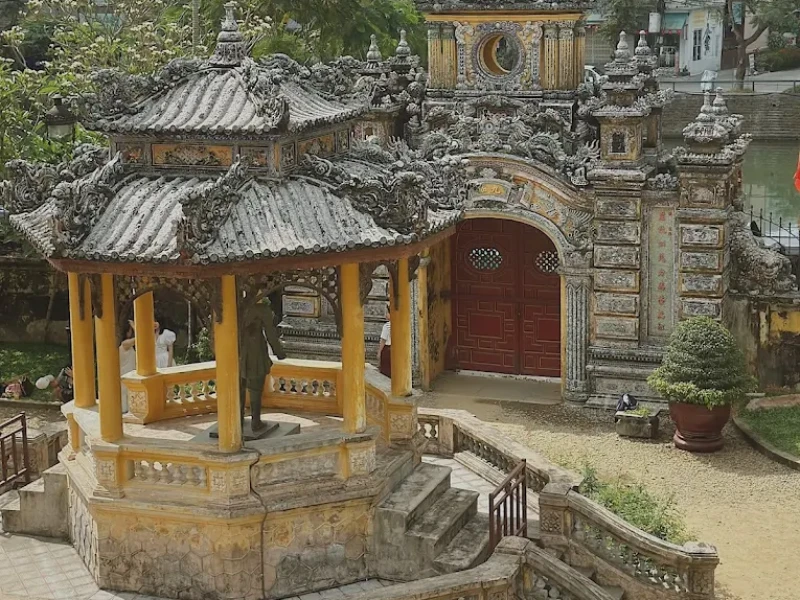
The upper roof has four sides, while the lower one features eight. Inside stands a life-sized bronze statue of Emperor Khai Dinh, intricately sculpted to realistic proportions. The craftsmanship of this statue evokes a powerful presence, almost as if the Emperor himself is greeting visitors.
Khai Tuong Tower
The most significant building within An Dinh Palace is undoubtedly Khai Tuong Tower, constructed in 1917 and completed in 1918. Spanning 745 square meters over three floors and containing 22 rooms, it was designed as the palace’s main residence.
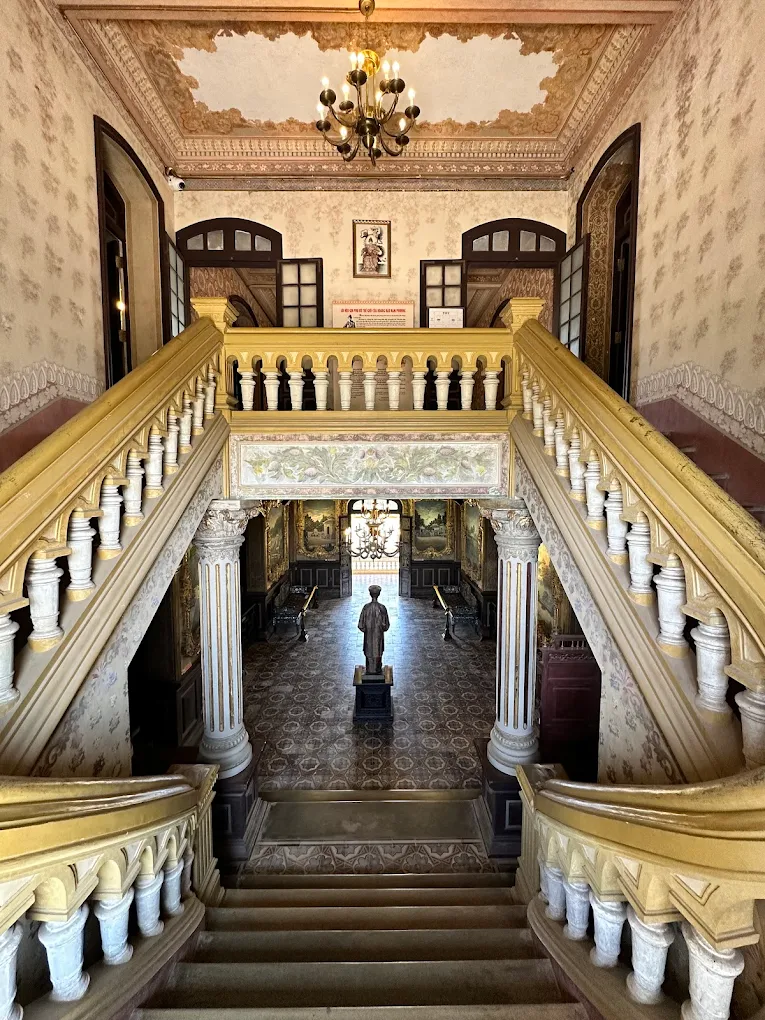
Named by Emperor Khai Dinh with hopes of ushering in good omens (“Khai Tuuong” means “auspicious beginning”), the tower blends European architectural styles—particularly Romanesque—with traditional Eastern motifs.
Highlights include:
- A richly decorated facade with Western symbols such as angels, grapevines, and floral urns.
- Intricate wall murals, especially six masterfully framed paintings in the main hall, adorned with wooden carvings of apricot blossoms and lotus leaves.
- A lavish first floor featuring ornate furniture and design elements imported from Europe.
- This tower alone justifies a visit, especially for lovers of architecture and fine art.
Cuu Tu Dai Theater
Located behind Khai Tuong Tower, the Cuu Tu Dai Theater was constructed between 1922 and 1923. It originally spanned 1,150 square meters and accommodated up to 500 guests. It served both ceremonial and entertainment purposes during the Nguyen Dynasty.
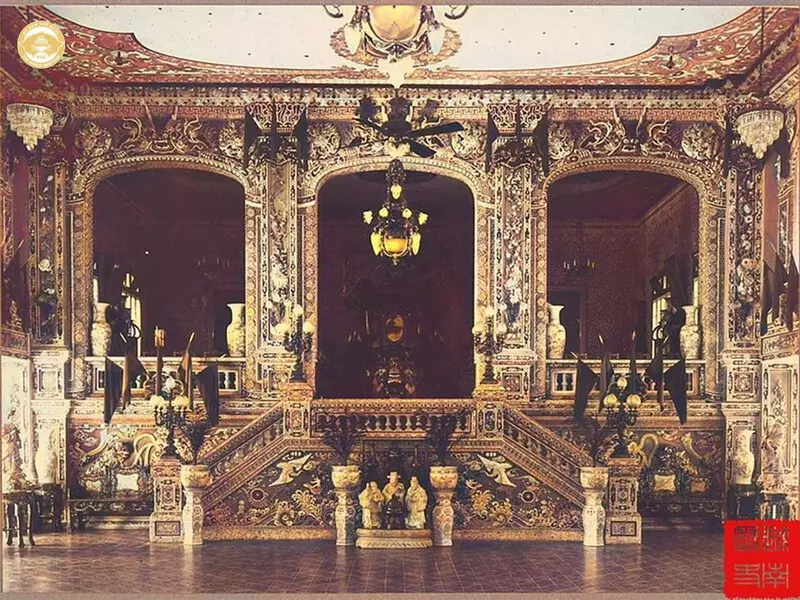
Unfortunately, the building was destroyed during wartime in 1947. However, the Hue Monuments Conservation Center has developed restoration plans to revive the structure—facing north and connected to Khai Tuong Tower via a long corridor.
Even in its ruined state, the site retains great historical and architectural value.
Bach Tra Vien
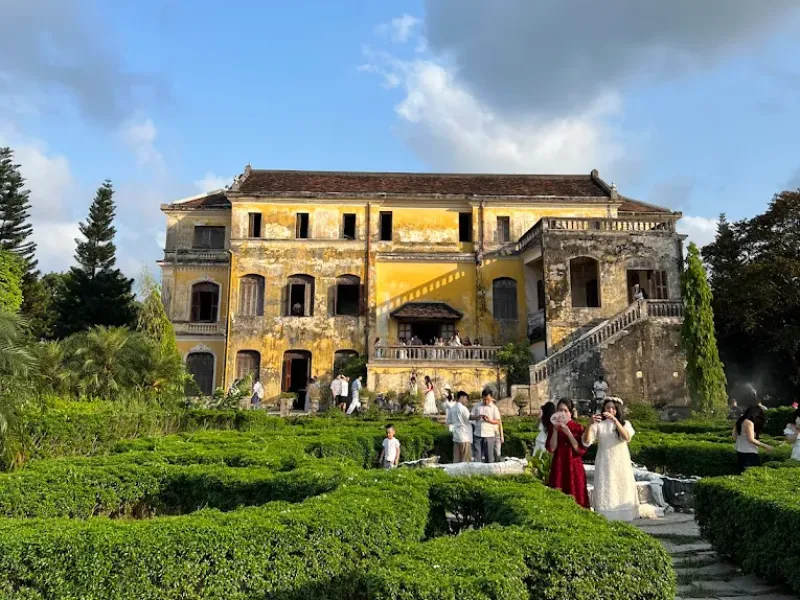
One of the newer attractions at An Dinh Palace, Bach Tra Vien is a vibrant yellow-painted building opposite the main tower. Surrounded by lush greenery and open gardens, it offers a dreamy backdrop for visitors and photographers alike.
What to Eat Near An Dinh Palace Hue?
Hue is famous not only for its historical sites and scenic spots but also for its delicious local cuisine. When visiting An Dinh Palace, you don’t have to worry about where to eat because there are plenty of great food options just a short walk away.
Must-Try Dishes Near An Dinh Palace Hue
Within a few hundred meters from the palace, you can enjoy a variety of Hue specialties, including:
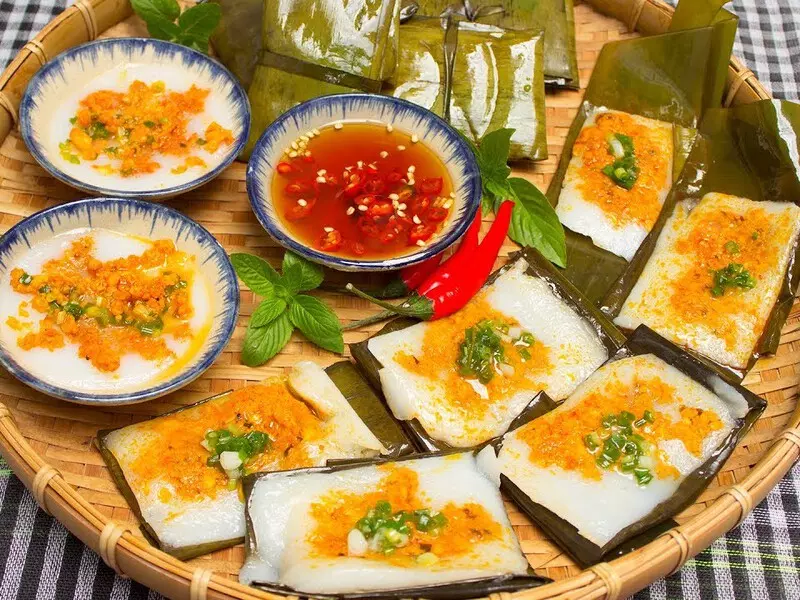
- Banh beo, banh loc, and banh nam — traditional Hue steamed rice cakes
- Bun bo Hue — Hue-style spicy beef noodle soup
- Banh ram it — crispy fried dumplings
- Com hen and bun hen — flavorful rice and noodle dishes with baby clams
- Banh canh Nam Pho — thick noodle soup typical of Hue
Especially, the famous Banh Beo from An Dinh Palace area is highly recommended by many visitors for its unforgettable taste.
Recommended Restaurants Near An Dinh Palace
- Goc Banh Beo Ba Cu – An Dinh Palace: Address: 23/177 Phan Dinh Phung Street, Phu Nhuan Ward
- Quan Huong – Traditional Banh Beo, Nam, Loc An Dinh: Address: Alley 148 Nguyen Hue Street
- Tan Dong Duong Restaurant: Address: 177 Phan Dinh Phung Street, Phu Nhuan Ward, Hue City
- Banh Cuon Nong An Nhien: Address: 171 Phan Dinh Phung Street, Phu Nhuan Ward
- Banh Canh Bo – Ca An Dinh: Address: 150 Nguyen Hue Street, Phu Nhuan Ward
Top Attractions Near An Dinh Palace Hue
Besides An Dinh Palace, Hue has many must-visit spots. Plan your time well to explore these highlights:
- Hue Imperial City: The Imperial City was the royal residence of the Nguyen emperors, like An Dinh Palace. This vast complex showcases grand architecture and historic significance. Despite centuries passing, it remains majestic with hundreds of palaces, temples, and gates.
- Location: 23/8 Street, Thuan Hoa Ward, Hue City
- Entrance fee: 200,000 VND (adult), 40,000 VND (children 7–12 years)
- Perfume River: Just a few kilometers from An Dinh Palace, the Perfume River flows gently through Hue. Formed by the confluence of the Huu Trach and Ta Trach rivers, it adds poetic charm to the city.
Stroll along the riverbanks, visit the iconic Trang Tien Bridge, enjoy lantern releases, or take a boat cruise with traditional Hue singing.- Location: Hue City, Thua Thien Hue Province
- Thien Mu Pagoda: Located north along the Perfume River, Thien Mu Pagoda (Linh Mu Pagoda) was built in 1601 and is one of Hue’s most sacred sites.
With its historic architecture and mysterious legends, it attracts many visitors seeking cultural and spiritual experiences.- Location: Ha Khe Hill, Nguyen Phuc Nguyen Street, Phu Hoa Ward, Hue City
- Entrance fee: Free
Visiting An Dinh Palace Hue: Essential Tips to Know
While Hue is home to many attractions, An Dinh Palace is a must-visit. Before your trip, keep these tips in mind for a smooth experience:
- Check the route in advance: Although the road to An Dinh Palace is short and easy, it’s best to preview the directions to avoid getting lost.
- Watch the weather forecast: Rain in Hue can be unpredictable in any season. Bring an umbrella or raincoat just in case.
- Dress appropriately: As a heritage site, An Dinh Palace requires respectful attire. Avoid revealing clothing; instead, opt for long pants, sleeved tops, or traditional outfits like ao dai.
- Follow visitor rules: Do not touch or move artifacts inside the palace to preserve their historical integrity and avoid damage.
- Keep the area clean: Dispose of trash properly in designated bins—let’s help protect this cultural site.
- Bring sun protection: Wear hats, light jackets, and use sunscreen to stay safe under the sun.
- Dress for the photos: Choose outfits that match the elegant, vintage setting—you’ll capture stunning photos.
- Charge your devices: Make sure your phone or camera is fully charged so you can capture every beautiful moment.
Conclusion
An Dinh Palace is more than just a historic relic—it’s a symbol of Vietnam’s royal past and cultural fusion. With its stunning blend of Eastern and Western architecture, this palace has become a must-visit photo spot for travel lovers. Come here to explore Vietnamese history and capture unforgettable moments with timeless backdrops!
